Outdoor Living Space Design: Floor Plans That Extend Beyond Walls
An outdoor living space should feel like a natural extension of your home, not an afterthought. Here are practical design ideas for layouts, materials, and indoor-outdoor flow.
An outdoor living space should feel like a natural extension of your home, not a separate area you occasionally visit. Whether you're planning an open-air kitchen, a covered dining area, or a multipurpose deck, the key is designing the outdoor floor plan as carefully as you would any room inside.
This guide covers practical ideas for outdoor living space design, from layout planning to material choices and indoor-outdoor integration.
Outdoor Space Types at a Glance
| Space type | Best for | Key considerations |
|---|---|---|
| Covered patio | Dining, lounging, year-round use | Roof or pergola for weather protection, proximity to kitchen |
| Open deck | Sunbathing, casual seating, views | Durable decking material, railing if elevated |
| Outdoor kitchen | Cooking and entertaining | Plumbing, gas, electrical, countertop materials |
| Firepit area | Evening gatherings, ambiance | Safe distance from structures, seating arrangement |
| Garden room | Relaxation, reading, quiet time | Shade, privacy screening, comfortable seating |
| Play area | Families with children | Visibility from indoor living spaces, soft surfaces |
Start with Purpose and Layout
Before choosing furniture or plants, define what you want to do in the space. A dining area works best near the kitchen. A lounge zone needs shade or a covered structure. A play area should be visible from inside the house.
Layout principles:
- Position high-traffic outdoor zones (dining, cooking) close to indoor access points (back door, sliding doors).
- Place quiet zones (reading corner, garden seating) further from the house for separation.
- Keep pathways clear between zones and make sure they connect logically to indoor circulation.
Floor plan software can help you test different arrangements before committing. Space Designer 3D lets you draw your outdoor areas to scale alongside your indoor spaces, so you can check the flow between the two in 2D and 3D.
Indoor-Outdoor Integration
The connection between indoor and outdoor spaces defines how often you actually use the outdoor area. A poorly connected patio feels like a separate place. A well-integrated one feels like an extra room. This L-shaped modern house with pool and terrace shows how an outdoor area can become a true extension of the home.
How to strengthen the connection:
- Aligned doorways: large sliding doors, folding glass walls, or French doors that open fully create a seamless transition.
- Consistent materials: matching or complementary flooring between indoor and outdoor areas reinforces visual continuity.
- Sight lines: position outdoor focal points (firepit, water feature, garden) so they're visible from inside the house.
- Level transition: minimize steps between indoor and outdoor floors. A flush threshold makes the spaces feel continuous.
Space Designer 3D's real-time 3D walkthrough lets you experience the transition between inside and outside before building anything.
Choosing Materials
Outdoor materials need to handle weather, UV exposure, and temperature changes while looking good year after year.
| Element | Recommended materials | Why |
|---|---|---|
| Flooring | Natural stone, composite decking, concrete pavers | Durable, weather-resistant, low maintenance |
| Furniture | Teak, aluminum, weatherproof wicker, recycled plastic | Withstands rain, sun, and temperature swings |
| Countertops | Granite, concrete, stainless steel | Heat-resistant for outdoor kitchens |
| Shade structures | Pergola (wood or aluminum), retractable awning, sail shade | Provides relief from sun and light rain |
Choose materials that complement your home's interior aesthetic. Visual consistency between inside and outside reinforces the feeling that the outdoor space belongs to the house.
Lighting and Smart Features
Outdoor lighting extends usability into the evening and adds ambiance.
- Pathway lights: solar-powered fixtures for safety and navigation.
- Task lighting: focused lights over cooking or dining areas.
- Ambient lighting: string lights, lanterns, or recessed lighting for atmosphere.
- Accent lighting: spotlights on trees, walls, or water features for visual interest.
Smart features like weather-resistant speakers, outdoor-rated screens, and automated lighting systems can turn a patio into a true entertainment space. Plan electrical outlets and wiring into your outdoor floor plan from the start to avoid costly retrofits.
Working with Nature
Natural elements improve both comfort and aesthetics:
- Shade trees: reduce heat and create natural cooling.
- Privacy screening: tall plants, hedges, or bamboo define boundaries without walls.
- Native plants: require less maintenance and support local ecosystems.
- Vertical gardens: add greenery without taking up floor space.
- Wind protection: strategic placement of walls, screens, or dense plantings.
Consider how sunlight, wind, and seasonal changes affect the space throughout the year. Space Designer 3D lets you enter your real address and simulate sunlight at different times of day, which helps position shade structures and seating areas. See it in action in this sunlit villa with terraced living and garden views.
Plan Your Outdoor Space with Space Designer 3D
Space Designer 3D is a browser-based floor plan tool used by over 6 million people since 2010. It's designed to draw the way you sketch on paper: trace walls, fences, and outdoor elements freely. Measurements are calculated as you go. For inspiration, browse finished projects like this modern two-story house with a garden patio.
For outdoor living space design:
- Draw your home and outdoor areas together in a single plan to check indoor-outdoor flow.
- Place furniture, planters, and structures from the catalog to test different arrangements.
- Switch to 3D walkthrough to experience the space before building.
- Simulate natural light based on your real address to optimize shade and sun exposure.
No download required. Start with a free plan. Highly rated on Trustpilot.
Design Your Outdoor Space in 3D
Frequently Asked Questions
How Do I Design an Outdoor Living Space That Connects with My Home?
Start by aligning outdoor access points (doors, openings) with indoor living areas. Use consistent or complementary materials between inside and outside. Minimize level changes at the threshold. Floor plan software like Space Designer 3D lets you draw both indoor and outdoor areas in the same plan to check the flow in 3D before building.
What Is the Best Flooring for an Outdoor Living Space?
Natural stone, composite decking, and concrete pavers are the most popular choices. Natural stone is durable and elegant but can be expensive. Composite decking requires minimal maintenance. Concrete pavers offer flexibility in design patterns and are cost-effective.
How Can I Make My Outdoor Space Usable Year-Round?
A covered structure (pergola, awning, or roofed patio) provides protection from rain and sun. Outdoor heaters or a firepit extend use into cooler months. Weather-resistant furniture and proper drainage prevent damage during wet seasons.
How Much Does It Cost to Build an Outdoor Living Space?
Costs vary widely depending on size, materials, and features. A simple deck or patio can be relatively affordable, while an outdoor kitchen with plumbing and gas adds significant cost. Planning the layout carefully in floor plan software before construction helps avoid expensive design changes during the build.
Can I Use Space Designer 3D to Plan My Outdoor Area?
Yes. Space Designer 3D lets you draw outdoor areas alongside your indoor floor plan, place outdoor furniture and structures, and see the result in real-time 3D. The sun orientation feature simulates natural light at your real address, which is particularly useful for positioning shade structures and seating areas. No download needed. free plan available.
What Are the Best Plants for an Outdoor Living Space?
Native plants suited to your local climate are the best choice because they require less water and maintenance. Shade trees reduce heat naturally. Tall hedges or bamboo provide privacy. Vertical gardens and container plants add greenery without taking up floor space.
More from the Blog
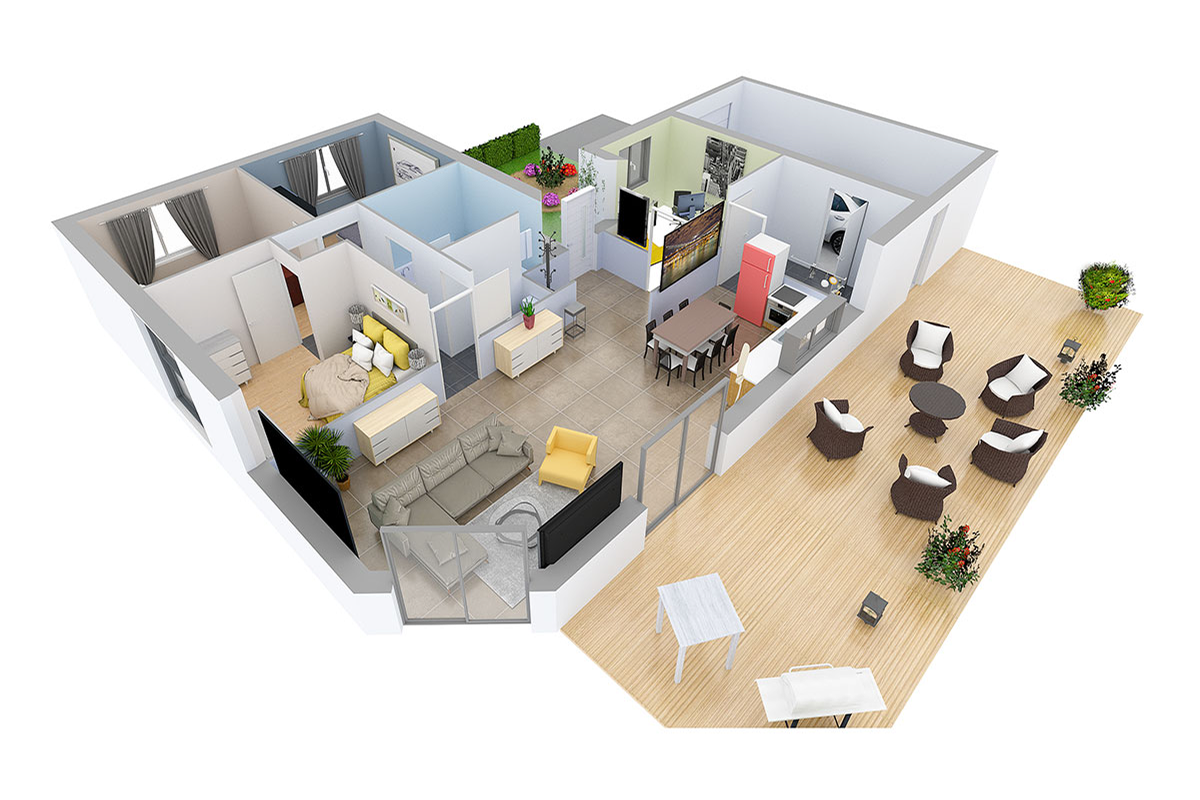
Space Designer 3D Turns 16: A Look Back at Its 5 Versions
In May 2026, Space Designer 3D turns 16. A look back at how the platform evolved, from the first room ever drawn in a web browser in 2010 to today's multi-device, AI-augmented edition.
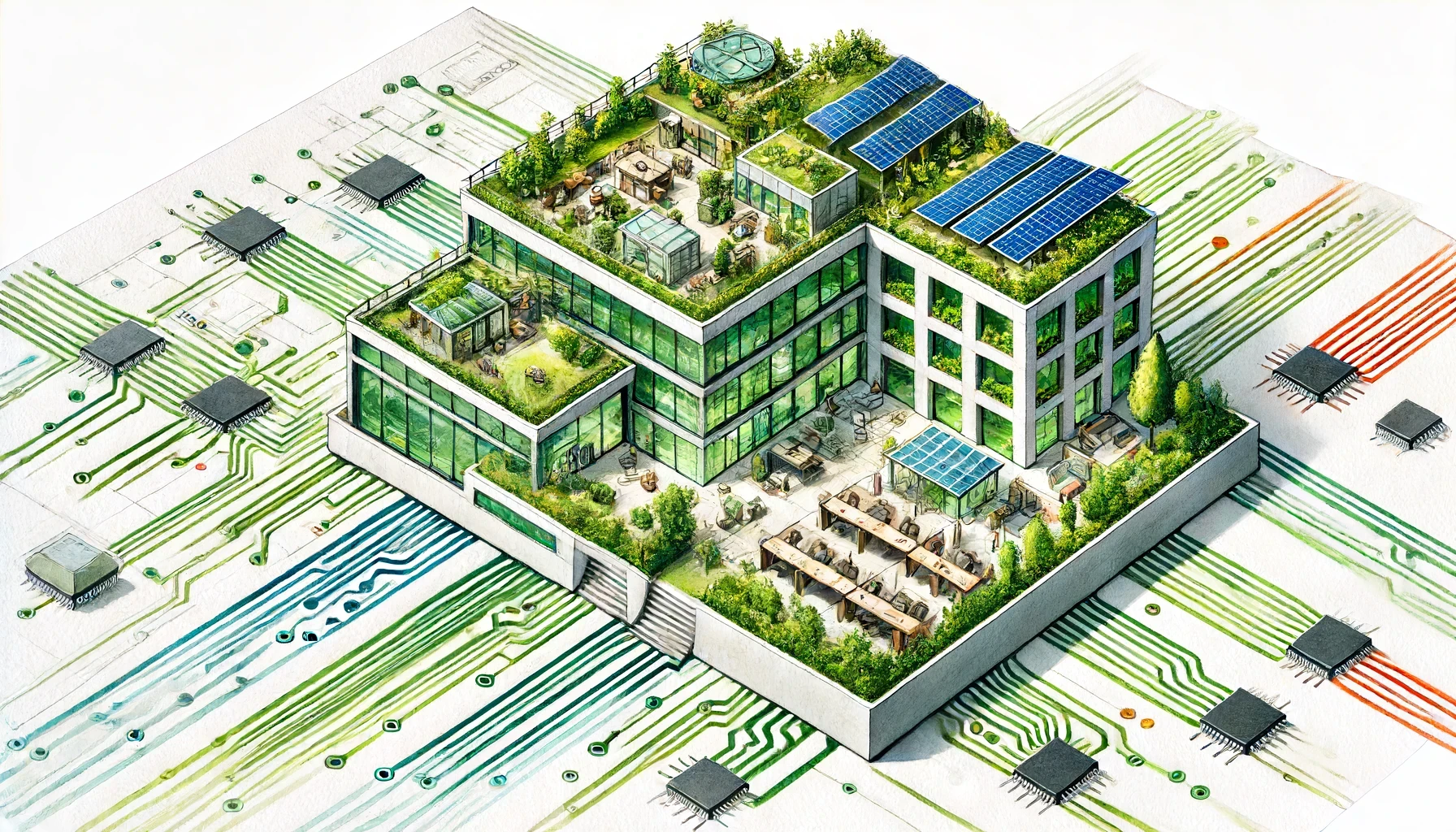
AI-Powered Workspace Design: Smarter Office Layouts
AI is changing how offices are designed and managed. Here is a practical look at the tools and methods reshaping workspace planning, and how to test layouts before committing to them.
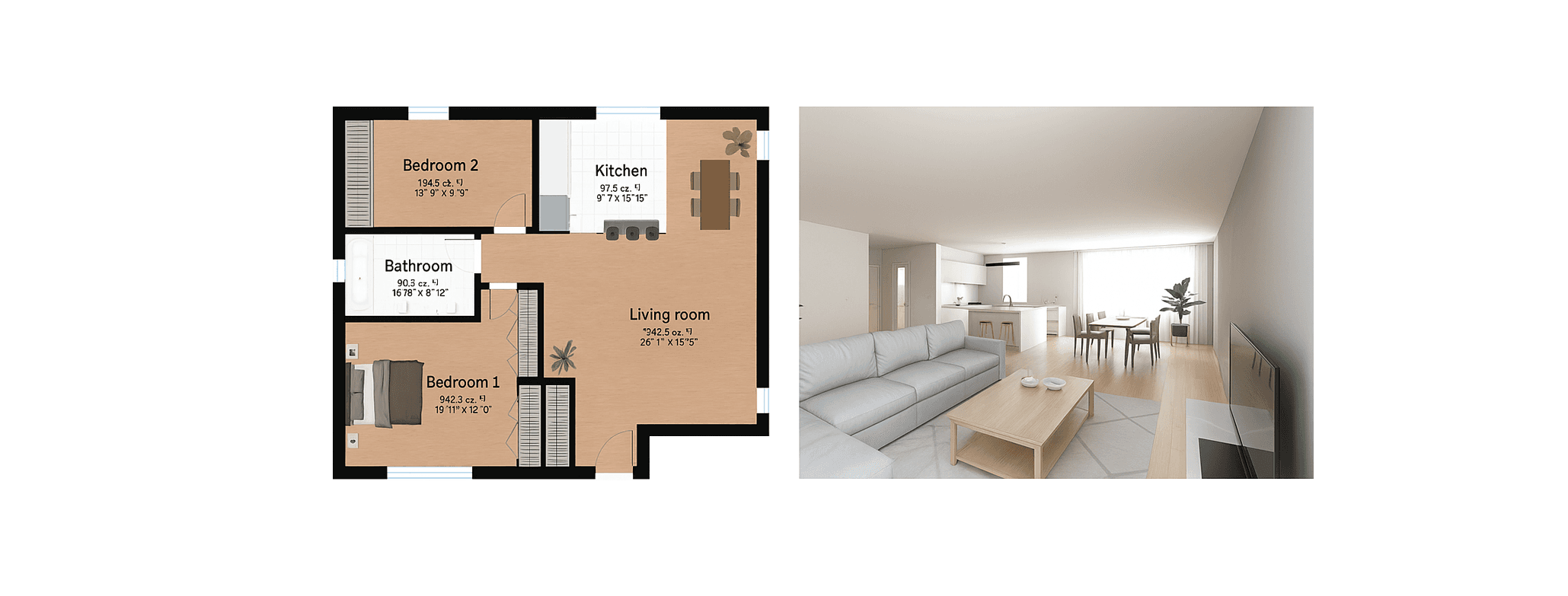
Best Floor Plan Software in 2026: 7 Tools Compared
Looking for the best online floor plan software? We compared 7 tools side by side: features, pricing, 3D quality, and ease of use. Find the right one for your project.
Design Your Floor Plan in 3D
Join 6M+ users. Draw floor plans, furnish rooms, and visualize them in 3D directly in your browser.